
I’m Alexandra Atkins, although most people know me as Ally.
My interest in women's health started with my own experience. In my late thirties, I began having symptoms I couldn't make sense of. Fatigue, joint pain, anxiety, hair loss, insomnia, palpitations, acid reflux and a general feeling that something wasn't right.
I went to the doctors, had tests and tried to find answers. I was prescribed medication for various symptoms, including laxatives and proton pump inhibitors (PPIs), both of which I was told I'd need to take for life.
What bothered me wasn't simply being prescribed medication. It was that I still didn't understand why I was experiencing these problems, or whether there was anything else I could do to improve how I felt.
It was another two years before I started working with a personal trainer and paying more attention to what I was eating. The changes made an enormous difference to how I felt, both physically and mentally.
I became fascinated by how much our everyday habits could influence our health, and in my early forties I qualified as a personal trainer myself. I wanted to help other women experience some of what I'd experienced.
Then came perimenopause.
By my mid-forties, I was dealing with another set of changes. I tried HRT, but my experience wasn't the positive one I'd hoped for. It made some things worse, and I was left with more questions.
I know HRT can be transformative for many women, and I would never suggest that my experience should put anyone off considering it. It simply wasn't straightforward for me.
By then, I'd become increasingly interested in the connections between hormones, stress, sleep, digestion, metabolism and the circumstances of our lives. I went on to qualify as a health coach and spent more and more time reading, researching and trying to understand how these systems influence one another.
What became clear to me was that there wasn't one explanation that fitted every woman.
Sometimes hormones are a major part of the picture. Sometimes there's another health issue that needs investigating. Sometimes several things are happening at once, and the challenge is working out what deserves attention.
That thinking eventually became Allyonics™.
It's a framework for looking at women's health as a connected whole, without assuming that every symptom has the same cause or that everyone needs to begin in the same place.
It's also what led me to write “Wired But Tired”, a book that brings together the science I've spent years studying with the experiences and questions that brought me here in the first place.
I don't have all the answers, and I don't believe anyone does. What I do believe is that women deserve proper explanations, good information and the opportunity to make informed decisions about their own health.
I've believed for a long time that simply medicating symptoms without trying to understand what's causing them can mean missing an important part of the picture. Our bodies can tell us a great deal through the symptoms we experience, but understanding what's behind them isn't always straightforward. That's why I believe in asking questions, looking at the connections and not settling for an explanation that doesn't make sense.
That's what I want Allyonics™ to offer.
If any part of my story sounds familiar - the dismissed symptoms, the unhelpful appointments, the sense that there must be a better answer - you're in the right place and I'm glad you found your way here.
Ally x
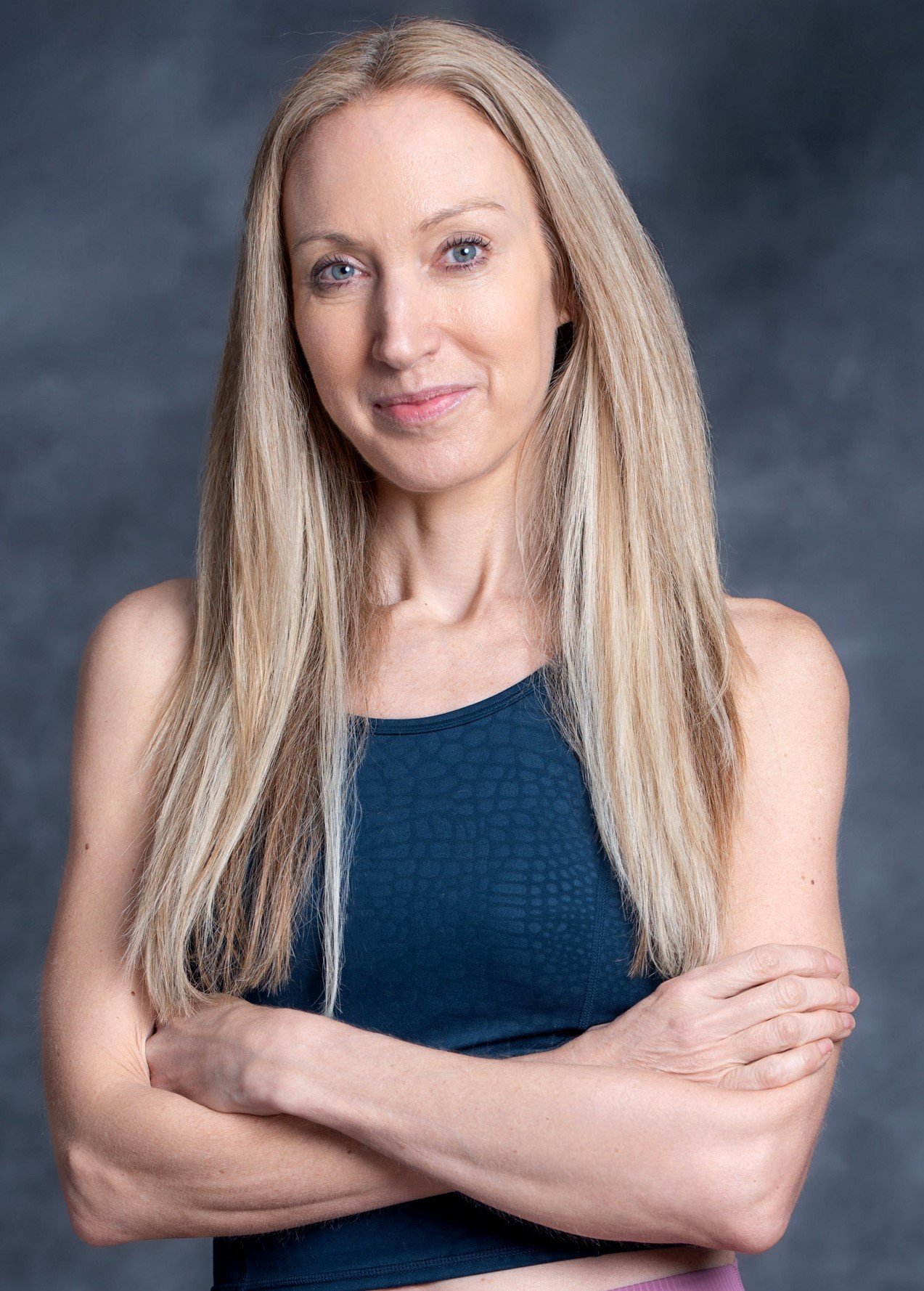
Ally lives and works in the UK. She’s available to travel for speaking engagements throughout the UK and abroad.
Contact Ally for more info.